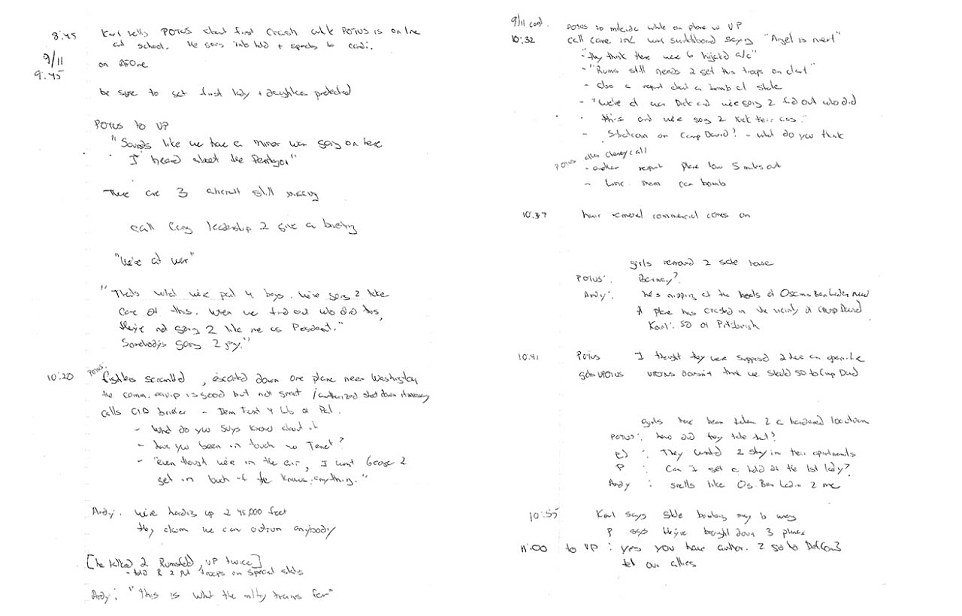
The morning of September 11, 2001, began like any other, but by day's end, it had irrevocably altered the course of American history. For President George W. Bush, who was barely eight months into his first term, this day presented an unimaginable test of leadership. His response to the 9/11 attacks would define his presidency, reshape national security, and galvanize a nation reeling from an unprecedented assault. This isn't just a historical recounting; it's an examination of how a leader, faced with profound tragedy, sought to steady a nation and lead it toward an uncertain future.
At a Glance: George W. Bush's 9/11 Response
- Immediate Action: Quickly secured government continuity, deployed emergency responders, and ordered protective measures.
- Rallied the Nation: Delivered powerful speeches, visited Ground Zero, and fostered a spirit of unity and resolve.
- Defined the Enemy: Declared a "War on Terror," making it clear there was no distinction between terrorists and those who harbored them.
- Reshaped Domestic Security: Initiated the creation of the Department of Homeland Security and signed the Patriot Act.
- Forged Global Alliances: Secured international support, including NATO's invocation of Article 5, to combat terrorism.
- Launched Military Operations: Directed military actions in Afghanistan to dismantle al-Qaeda and the Taliban.
- Stabilized Economy: Ensured financial institutions remained strong and government functions continued without interruption.
A Nation Under Siege: The Day that Changed Everything
Before 9/11, the idea of a large-scale, coordinated terrorist attack on American soil felt like a distant threat, perhaps confined to Hollywood thrillers. Then, on that Tuesday morning, the unimaginable became a brutal reality. Deliberate and deadly terrorist acts unfolded, with airplanes crashing into the World Trade Center towers, the Pentagon, and a field in Shanksville, Pennsylvania. Thousands of lives were lost in moments of terror, chaos, and devastation.
The immediate aftermath was one of shock and grief, but also astonishing bravery. Emergency response plans kicked into high gear, deploying military and emergency teams to New York City and Washington, D.C. Priorities shifted instantly to aiding the injured, protecting citizens from further attacks, and understanding the scope of the assault. Amidst the collapse and destruction, daring rescue efforts emerged, alongside an outpouring of widespread community support that showcased the very best of American resilience. These acts, intended to induce chaos and retreat, ultimately failed to break American resolve.
From Florida Classroom to Commander-in-Chief: Bush's Immediate Actions
President Bush was visiting an elementary school in Sarasota, Florida, when the first plane struck the World Trade Center. The initial reports were confused, but as news of the second plane hit, the gravity of the situation became terrifyingly clear. His immediate response was critical: ensuring the continuity of government and projecting a calm, steady presence to a frightened nation. He was quickly moved to secure locations, but his focus remained fixed on what was happening in New York and Washington.
Back in Washington, D.C., and later at the White House, Bush convened his national security team. The goal was twofold: prevent further attacks and identify those responsible. Federal agencies reopened quickly, and financial institutions remained strong, signaling a determination to maintain order. A full-scale search was immediately underway, directing intelligence and law enforcement resources to find and bring those responsible to justice, making no distinction between the terrorists and those who harbor them. Bush's early directives laid the groundwork for the comprehensive strategies that would define his administration's post-9/11 era, a period inextricably linked to President Bush and the 9/11 attacks.
Rallying a Wounded Nation: The Power of Presidential Voice
In times of national crisis, a president's words carry immense weight. Following 9/11, President Bush understood this implicitly. His speeches and public appearances were not merely statements; they were attempts to provide comfort, articulate outrage, and inspire unity. Just hours after the attacks, from Barksdale Air Force Base, he spoke directly to the nation, promising to "hunt down and find those who committed these acts." It was a message of defiance and resolve.
Perhaps no moment captured the spirit of American defiance more vividly than Bush's visit to Ground Zero in New York City three days after the attacks. Standing atop a burned-out fire truck, bullhorn in hand, surrounded by first responders and rescue workers, he famously declared to the crowd, "I can hear you! The rest of the world hears you! And the people who knocked these buildings down will hear all of us soon!" This unscripted moment resonated deeply, transforming grief into a collective sense of purpose. It was a raw, authentic display of solidarity that helped forge a bond between the President and a grieving populace, demonstrating the critical role of presidential leadership during the 9/11 crisis.
Defining the Enemy: The Genesis of the War on Terror
The attacks of September 11, 2001, were not merely criminal acts; they were an act of war. President Bush's administration swiftly identified al-Qaeda, led by Osama bin Laden, as the orchestrator. This recognition necessitated a fundamental shift in American foreign policy and military doctrine. Gone were the days of simply responding to state-sponsored terrorism; now, the enemy was a stateless network, operating in the shadows, requiring a global, sustained effort to dismantle.
Bush articulated this new paradigm clearly in his address to a joint session of Congress on September 20, 2001. He declared a "War on Terror," stating unequivocally, "Every nation, in every region, now has a decision to make. Either you are with us, or you are with the terrorists." This stark ultimatum drew a clear line in the sand, compelling nations worldwide to choose sides. It was a foundational statement that guided the subsequent military, diplomatic, and intelligence efforts aimed at rooting out extremist organizations and their supporters globally. This framework continues to influence how we understand and combat radical extremism, stemming directly from President Bush's decisive leadership after 9/11.
Fortifying the Homeland: A New Era of Domestic Security
Before 9/11, domestic security functions were fragmented across numerous agencies. The attacks highlighted critical vulnerabilities and the urgent need for a cohesive, centralized approach. In response, President Bush spearheaded the creation of the Department of Homeland Security (DHS) in November 2002. This massive undertaking consolidated 22 disparate federal agencies, bringing together diverse functions from border security and emergency management to cybersecurity under one umbrella.
Simultaneously, the administration pushed for new legislative tools to enhance intelligence gathering and law enforcement capabilities. The USA Patriot Act, signed into law just over a month after the attacks, expanded governmental surveillance powers, including greater authority to monitor communications and access financial records. While controversial, supporters argued it was a vital tool for detecting and preventing terrorist plots. These measures fundamentally reshaped the landscape of American domestic security, aiming to protect citizens from future attacks by enhancing information sharing and preventative action. It was a profound shift that marked a turning point in the nation's approach to internal threats, a direct outcome of the administration's immediate response to 9/11.
Forging Global Alliances: A United Front Against Terrorism
The "War on Terror" was never intended to be an American-only endeavor. President Bush recognized that confronting a global threat required a global coalition. Immediately following the attacks, an outpouring of international sympathy and support arrived from around the world. Nations stood in solidarity with the United States, expressing condolences and condemnation for the attacks.
Perhaps the most significant international response came from NATO, the North Atlantic Treaty Organization. For the first and only time in its history, NATO invoked Article 5 of its founding treaty, declaring that an armed attack against one member nation would be considered an attack against all. This unprecedented move solidified the international commitment to collective defense and provided a powerful diplomatic and military framework for the ensuing counterterrorism efforts. Bush's diplomatic efforts galvanized dozens of nations to join the fight, sharing intelligence, freezing terrorist assets, and contributing to military operations. This global coalition building was a cornerstone of his strategy, underscoring the universal condemnation of the attacks and the collective resolve to prevent future atrocities.
The Military Response: From Afghanistan to a Broader Conflict
With the enemy identified as al-Qaeda and their Taliban hosts in Afghanistan, President Bush swiftly authorized military action. Operation Enduring Freedom began on October 7, 2001, with a clear objective: dismantle al-Qaeda, remove the Taliban regime that harbored them, and prevent Afghanistan from ever again becoming a safe haven for terrorists. The ground truth stated that America would make "no distinction between the terrorists and those who harbor them," and the invasion of Afghanistan directly applied this principle.
The initial military campaign was largely successful in dislodging the Taliban and disrupting al-Qaeda's operational capabilities. However, the conflict soon illustrated the complex challenges of fighting a non-state actor in a rugged, distant land. The broader "War on Terror" eventually expanded beyond Afghanistan, notably leading to the 2003 invasion of Iraq, a decision that remains a subject of intense debate regarding its connection to the immediate 9/11 response. Yet, the initial military actions in Afghanistan, directly sanctioned by President Bush, fundamentally reshaped America's military posture and foreign policy, marking a decisive shift towards proactive counterterrorism operations globally.
Economic Resilience Amidst Crisis: Steadying the Markets
Beyond the tragic loss of life and the physical destruction, 9/11 also posed an immediate threat to the American economy. The attacks shut down air travel, impacted financial markets, and cast a pall of uncertainty over commerce. The New York Stock Exchange, the symbol of American capitalism, remained closed for four trading days—the longest closure since 1933.
President Bush's administration worked quickly to reassure the public and global markets. Government functions continued without interruption, demonstrating stability. When the financial institutions reopened on September 17, 2001, strong government assurances and coordinated efforts helped prevent a complete collapse. While the economy faced immediate headwinds, including significant losses in the airline and tourism industries, the long-term resilience of the financial system was a testament to both governmental efforts and the inherent strength of American enterprise. The quick reopening of markets, coupled with strong federal backing, helped to mitigate a potential economic catastrophe, underscoring the breadth of President Bush's multi-faceted response to 9/11.
Addressing the Critics and Complications: A Legacy Under Scrutiny
No significant historical event or leadership response is immune to scrutiny, and George W. Bush's handling of 9/11 is no exception. Critics and historians continue to debate various aspects of his administration's decisions.
One common question revolves around preparedness: Could the attacks have been prevented? The 9/11 Commission Report, while highlighting intelligence failures and missed opportunities, also acknowledged the unprecedented nature of the threat. The subsequent creation of DHS and the Patriot Act were direct attempts to address these identified gaps, though both have faced ongoing criticism regarding their effectiveness and impact on civil liberties.
The expansion of executive power, the use of enhanced interrogation techniques, and the eventual decision to invade Iraq are other areas of considerable discussion. While Bush maintained that these actions were necessary to protect the nation, they have undoubtedly shaped America's global standing and internal political landscape for decades. Understanding these complexities is crucial for a complete picture of his leadership. The period immediately following 9/11 saw an extraordinary consolidation of power and a redefinition of national security priorities, which continue to echo in contemporary policy debates.
The Enduring Resolve: Lessons in Leadership and National Unity
George W. Bush's presidency will forever be synonymous with September 11, 2001. His leadership during this period was characterized by a clear vision, decisive action, and an unwavering commitment to national unity. He faced an existential threat to American security and responded with a blend of resolve, empathy, and strategic ambition.
The lessons from his response are manifold: the importance of presidential communication in crisis, the necessity of adapting national security frameworks to new threats, and the profound power of a united nation. While the policy decisions made in the wake of 9/11 continue to be debated and evaluated, Bush's ability to rally a grieving populace and articulate a clear path forward undoubtedly forged a renewed sense of American resolve. He set the tone for a nation that refused to retreat, choosing instead to confront terrorism head-on. The enduring legacy of President Bush and the 9/11 attacks is a powerful reminder of how crisis can shape both a leader and a nation, leaving an indelible mark on history and shaping our world in profound ways.