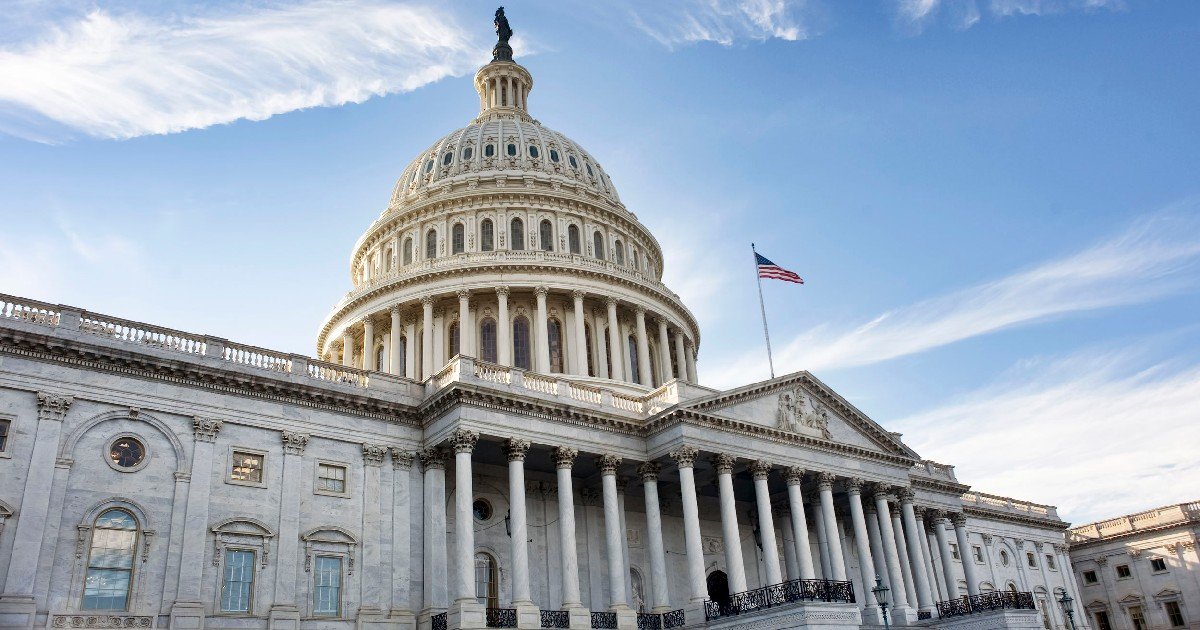
The morning of September 11, 2001, didn't just alter the New York skyline; it fundamentally reshaped the American landscape of safety, privacy, and governance. In the immediate aftermath, the nation grappled with unprecedented trauma and an urgent need to prevent future attacks. This exigency ignited a rapid series of Domestic Security Transformations: Patriot Act, DHS, and Civil Liberties at their core, forever changing how the government combats terrorism and how individual rights are perceived in an era of heightened national security. It was a pivotal moment, forcing a profound, ongoing re-evaluation of the delicate balance between protecting a nation and preserving the freedoms that define it.
At a Glance: Understanding the Seismic Shift
Before diving deep, here���s what you need to know about the post-9/11 changes to domestic security and civil liberties:
- The PATRIOT Act (Uniting and Strengthening America by Providing Appropriate Tools Required to Intercept and Obstruct Terrorism Act): Passed just weeks after 9/11, it dramatically expanded government surveillance and investigative powers, aiming to prevent future terrorist attacks.
- Department of Homeland Security (DHS): Created in 2002, this cabinet-level department consolidated 22 disparate federal agencies, centralizing counter-terrorism efforts and border security.
- Balancing Act: Both the Act and DHS were designed to enhance national security but immediately raised concerns about their potential impact on constitutional rights, particularly privacy and due process.
- Key Provisions: The PATRIOT Act introduced "sneak and peek" warrants, roving wiretaps, and Section 215 orders (allowing access to business records, including library and financial data).
- Ongoing Debate: The utility, constitutionality, and scope of these measures remain a subject of intense public, legal, and political debate, leading to reauthorizations, amendments, and challenges.
- Evolving Threats: The legal and operational frameworks have had to adapt to new forms of terrorism, from lone-wolf attackers to sophisticated cyberthreats.
The World Changed: A Post-9/11 Imperative
For decades, the United States had viewed terrorism primarily as an overseas threat. The devastating attacks on 9/11 shattered that perception, bringing the reality of global terrorism to American soil with terrifying immediacy. Suddenly, the existing national security apparatus seemed inadequate, fragmented, and ill-prepared for a new kind of enemy – decentralized, non-state actors capable of inflicting mass casualties.
In the wake of the attacks, there was a powerful, bipartisan consensus that decisive action was needed. Public sentiment demanded that the government do everything in its power to ensure such an event never happened again. This urgent mandate drove the swift legislative and executive responses that would define the next two decades of domestic security policy. You can trace the initial governmental responses and shifts directly back to The Bush administration and 9/11, which laid the groundwork for these monumental changes.
The USA PATRIOT Act: Sweeping Powers, Swift Passage
Just 45 days after the 9/11 attacks, Congress passed the USA PATRIOT Act with overwhelming support. It was a bipartisan effort, largely driven by the perceived need for speed and comprehensive action. The stated goal was clear: to give law enforcement and intelligence agencies the "tools" they needed to track and stop terrorists before they could strike.
What the PATRIOT Act Actually Does
At its heart, the PATRIOT Act vastly expanded the government's authority to conduct surveillance and collect information within the United States. Before the Act, significant legal barriers separated domestic law enforcement investigations from foreign intelligence gathering, largely to protect American civil liberties. The PATRIOT Act aimed to dismantle some of these "walls," facilitating information sharing between agencies like the FBI and the CIA.
The Act touched upon a wide array of existing laws, amending over 15 statutes and creating new authorities. Here are some of its most controversial and impactful provisions:
- Expanded FISA Authority: The Foreign Intelligence Surveillance Act (FISA) court traditionally approved surveillance for foreign intelligence purposes. The PATRIOT Act broadened the scope, allowing FISA warrants to be issued even if foreign intelligence gathering was not the primary purpose of the surveillance, effectively lowering the bar for monitoring individuals within the U.S. suspected of terrorism or espionage.
- "Sneak and Peek" Warrants (Section 213): This provision allows law enforcement to conduct secret searches of a person's property without immediately notifying the owner. Notification can be delayed for a "reasonable period," which critics argued could be indefinitely extended, infringing on Fourth Amendment rights against unreasonable searches and seizures. The argument from supporters was that immediate notification could tip off a suspect, allowing them to destroy evidence or flee.
- "Roving Wiretaps" (Section 206): Prior to the PATRIOT Act, wiretaps generally targeted specific communication devices (like a single phone line). Roving wiretaps allow surveillance to follow a person, rather than a specific device. If a target switches phones or uses multiple devices, law enforcement can intercept communications from all of them without needing a new warrant for each device.
- Access to "Tangible Things" (Section 215): Perhaps the most contentious provision, Section 215 granted the FBI the authority to obtain court orders compelling businesses (including libraries, financial institutions, and internet service providers) to produce "any tangible things" (records) deemed "relevant" to an international terrorism investigation. This could include library circulation records, browsing history, financial transactions, and phone call metadata, often without showing probable cause that the individual whose records are being sought is involved in terrorism.
- Enhanced Information Sharing: The Act broke down legal and bureaucratic barriers that previously restricted information sharing between intelligence agencies and law enforcement. This was intended to ensure that critical pieces of intelligence didn't get "stuck" in one agency, preventing the assembly of a complete picture of potential threats.
- Terrorist Financing: The Act also included provisions aimed at tracking and disrupting terrorist financing by enhancing regulations on financial institutions, improving information sharing within the financial sector, and imposing stricter penalties for money laundering.
The Department of Homeland Security: A New Shield
Concurrent with the PATRIOT Act's legislative efforts, the executive branch moved to fundamentally restructure the federal government's approach to domestic security. In 2002, President Bush signed legislation creating the Department of Homeland Security (DHS), a massive new cabinet-level agency designed to consolidate and streamline efforts to protect the nation.
Unifying a Fragmented System
Before DHS, over 100 different government entities had some role in homeland security, from border protection to emergency management. This fragmentation was seen as a critical weakness exposed by 9/11, as vital information and resources were often siloed.
DHS brought together 22 distinct federal agencies, comprising over 180,000 employees, under a single organizational umbrella. This was the largest government reorganization since the creation of the Department of Defense in 1947. Key agencies absorbed into DHS included:
- U.S. Customs Service (now U.S. Customs and Border Protection – CBP, and U.S. Immigration and Customs Enforcement – ICE)
- U.S. Secret Service
- Federal Emergency Management Agency (FEMA)
- U.S. Coast Guard
- Transportation Security Administration (TSA)
- Federal Protective Service
- Parts of the Immigration and Naturalization Service (INS)
The Mission and Scope of DHS
The primary mission of DHS is to prevent terrorism and enhance security, manage borders, administer immigration laws, secure cyberspace, and ensure disaster resilience. This broad mandate covers everything from screening passengers at airports to responding to hurricanes, from patrolling national borders to analyzing potential cyber threats.
The creation of DHS was intended to foster better coordination, intelligence analysis, and operational effectiveness in the face of complex, evolving threats. It aimed to create a more unified, agile, and proactive defense against terrorism and other national security challenges.
The Core Tension: Security vs. Civil Liberties
From the moment of their inception, both the PATRIOT Act and the creation of DHS sparked vigorous debate regarding the trade-offs between national security and civil liberties. This isn't a new argument in American history; every major conflict, from the Civil War to both World Wars, has seen similar tensions. However, the post-9/11 era brought these concerns into sharper focus, given the permanence of the new structures and the invisible nature of the threat.
Arguments for the Act and DHS: A Shield Against Terror
Supporters of the PATRIOT Act and DHS emphasize their vital role in preventing future terrorist attacks. They argue:
- Necessity in a New Era: Traditional law enforcement tools were designed for conventional crime, not for global, decentralized terrorist networks. The expanded powers were deemed essential to effectively gather intelligence on and disrupt these highly secretive groups.
- Prevented Attacks: Government officials, including former Attorney General John Ashcroft, have repeatedly stated that the PATRIOT Act's tools were instrumental in disrupting numerous terror plots against the U.S. While specific details often remain classified, these claims are central to the Act's defense.
- Information Sharing: The breakdown of "walls" between intelligence and law enforcement agencies allowed for a more comprehensive understanding of threats, enabling agencies to "connect the dots" that might otherwise have been missed.
- Adaptability: The provisions, particularly those related to technology, were designed to be adaptable to rapidly evolving communication methods used by terrorists.
- Global Standard: Proponents also point out that many other democratic nations, facing similar threats, have adopted comparable national security laws, suggesting a global consensus on the need for such measures.
Arguments Against: Erosion of Privacy and Constitutional Concerns
Critics, including civil liberties advocates, constitutional lawyers, and some members of Congress, have consistently raised alarm bells about the breadth and potential for abuse of the PATRIOT Act's powers. Their primary concerns include:
- Infringement on Privacy (Fourth Amendment): The expanded surveillance capabilities, particularly Section 215's access to "tangible things" and "sneak and peek" warrants, were seen as undermining the Fourth Amendment's protection against unreasonable searches and seizures and the right to privacy. The argument is that these provisions allow for collection of vast amounts of data on innocent Americans without sufficient probable cause.
- Lack of Oversight and Transparency: Critics contended that the Foreign Intelligence Surveillance Court (FISC) operated in too much secrecy, approving nearly all government requests for surveillance without sufficient adversarial review. This lack of transparency, they argued, made it difficult to assess the extent of government surveillance and hold agencies accountable.
- Potential for Abuse and Overreach: While intended for terrorists, critics worried the Act's powers could be (and sometimes were) applied to ordinary citizens, activists, or political dissidents. High-profile cases of data collection on a massive scale, such as those revealed by Edward Snowden regarding the NSA's bulk collection of phone metadata, significantly fueled these concerns and led to intense public scrutiny.
- Chilling Effect on Free Speech (First Amendment): The prospect of libraries having to turn over patron records, or the general fear of government surveillance, could have a "chilling effect" on free speech and association, making individuals hesitant to explore certain topics or engage in lawful political activities.
- Due Process Concerns (Fifth and Sixth Amendments): Provisions related to detention and deportation of non-citizens, as well as the secrecy surrounding some surveillance orders, raised questions about the right to due process and fair trial.
This tension is not easily resolved. It lies at the heart of what it means to be a free and secure society, and the answer often shifts with evolving threats and public sentiment.
Navigating the Legal Landscape: Reauthorizations and Challenges
The PATRIOT Act was not a static piece of legislation. Its controversial nature and "sunset" clauses (provisions that would automatically expire unless reauthorized by Congress) ensured it remained a recurring subject of legislative debate and judicial review.
Sunset Clauses and Congressional Review
Key provisions of the PATRIOT Act, including those for roving wiretaps, sneak and peek warrants, and Section 215, were initially set to expire after four years. This forced Congress to revisit the Act in 2005, 2011, and 2015. Each reauthorization process was marked by intense negotiations between those who sought to strengthen civil liberties protections and those who prioritized national security powers.
The most significant legislative evolution came with the passage of the USA Freedom Act in 2015. This act was a direct response to public outrage and legal challenges following the Snowden revelations, which exposed the NSA's bulk collection of phone metadata under Section 215. The USA Freedom Act:
- Ended bulk collection: It largely ended the government's bulk collection of Americans' phone records.
- Required specific requests: Instead, it required the government to obtain specific court orders from the FISC to request data from telecommunications companies, which would hold the data themselves.
- Increased Transparency: It introduced more transparency requirements for the FISC and companies subject to FISA orders.
While the USA Freedom Act was seen by many as a step towards greater civil liberties protection, some critics argued it didn't go far enough, and the underlying framework of expanded surveillance powers largely remained.
Judicial Oversight and the FISC
The Foreign Intelligence Surveillance Court (FISC) plays a crucial role in overseeing the implementation of the PATRIOT Act and FISA. This specialized court, composed of federal district judges, reviews government applications for surveillance warrants related to foreign intelligence.
The FISC's operations have often been criticized for their secrecy and for rarely rejecting government requests. However, the court has, over time, issued significant rulings that have shaped the implementation of the Act, sometimes compelling amendments or reinterpreting the scope of surveillance authorities. For instance, the legal challenges against Section 215 and the subsequent debates played out significantly within the FISC and appellate courts. The judicial branch, along with Congressional oversight, provides a critical check on the executive's expanded powers, albeit one that is constantly being debated and refined.
The Evolving Threat Landscape: From Al-Qaeda to Cyberattacks
The nature of terrorist threats has not remained static since 9/11, and the domestic security framework has had to continually adapt. The original focus was largely on large, hierarchically structured groups like Al-Qaeda. Today, the landscape is far more complex.
New Faces of Terror
- Lone Wolves and Homegrown Extremism: A significant challenge has emerged in the form of individuals radicalized online, often acting alone or in small, self-organized cells, without direct command from an international organization. This makes traditional intelligence gathering, which often looks for foreign connections, more difficult.
- Cyberterrorism: Attacks targeting critical infrastructure (power grids, financial systems, transportation networks) or involving large-scale data breaches pose a grave and growing threat. The digital nature of these attacks requires different investigative tools and defenses than those designed for physical plots.
- Misinformation and Disinformation: The spread of propaganda and extremist ideologies online, often from foreign adversaries, can undermine social cohesion and incite violence, creating new challenges for domestic security agencies that must navigate free speech protections.
Adapting (or Struggling to Adapt)
These evolving threats necessitate an ongoing reassessment of current laws and capabilities. For example, applying "roving wiretaps" to encrypted online communications or tracing cryptocurrency transactions to track terrorist financing presents new technological and legal hurdles. Agencies like DHS are constantly investing in new technologies and intelligence capabilities, from advanced data analytics to cybersecurity expertise, to keep pace.
The debate over the PATRIOT Act and its successors often revolves around whether existing legal frameworks are agile enough to counter these new threats without further impinging on civil liberties, or if new legislation is needed that could potentially go even further.
Global Parallels: How Other Nations Responded
The United States was not alone in confronting the challenge of terrorism post-9/11. Many of its allies, facing similar threats, also implemented significant national security laws. Understanding these global parallels can offer perspective on the American experience.
- United Kingdom: Following the 7/7 London bombings in 2005, the UK passed a series of anti-terrorism acts, expanding powers for detention, surveillance, and stop-and-search. Their Investigatory Powers Act of 2016 (often called the "Snooper's Charter") grants extensive data retention and interception capabilities, drawing comparisons to the PATRIOT Act's reach.
- Canada: Canada's Anti-terrorism Act, passed in December 2001, introduced measures like preventative arrest, investigative hearings, and expanded surveillance powers for intelligence agencies. Subsequent legislation, like Bill C-51 (2015), further broadened powers to disrupt terror plots and share information between government entities.
- Australia: Australia's suite of national security laws, particularly in the wake of its involvement in counter-terrorism operations, has also expanded police and intelligence agency powers. These include controversial metadata retention schemes, increased powers to monitor and detain suspects, and new offenses related to foreign fighters and incitement.
While the specifics differ, the common threads across these nations include: - Expanded Surveillance: Most adopted measures to increase intelligence gathering capabilities, often involving broader access to communications data.
- Enhanced Information Sharing: Breaking down silos between intelligence, law enforcement, and border agencies was a common goal.
- Preventative Measures: Emphasis shifted from purely reactive law enforcement to proactive measures aimed at preventing attacks before they occur, often leading to powers like preventative detention.
- Ongoing Scrutiny: Like the U.S., these countries continue to grapple with legal challenges, public debate, and parliamentary oversight regarding the balance of security and civil liberties.
These international responses highlight that the tension between security and freedom is a global democratic challenge, not unique to the American experiment, though each nation approaches it with its own legal traditions and cultural values.
Your Rights in a Post-Patriot Act World: What You Should Know
The legal landscape concerning domestic security has evolved considerably since 9/11. For the average citizen, understanding your rights and how government powers interact with them is more important than ever. While the specific legal nuances are complex, here’s practical guidance to help you navigate this environment.
Understanding Your Privacy in the Digital Age
- Expectations of Privacy: The courts have generally held that you have a reasonable expectation of privacy in your home and personal communications. However, this expectation diminishes when you share information with third parties (e.g., social media companies, internet service providers, banks). The PATRIOT Act and subsequent laws leveraged this "third-party doctrine."
- Data Collection: Assume that much of your digital footprint – phone metadata (who you call, when, for how long), internet browsing history, online purchases, and social media activity – can be accessed by government agencies with a court order or, in some cases, without one if deemed publicly available or under specific national security authorities.
- Encryption: Using strong encryption for communications (e.g., end-to-end encrypted messaging apps) can help protect your privacy, though government agencies continue to seek ways to bypass or compel access to encrypted data.
Common Misconceptions About Surveillance
- "They're listening to all my calls": While government surveillance powers are broad, mass, indiscriminate listening to every phone call or reading every email of every American is not occurring, largely due to technical infeasibility and some remaining legal restrictions (especially after the USA Freedom Act). Surveillance is typically targeted, even if the criteria for targeting have expanded.
- "The PATRIOT Act lets them do anything": The PATRIOT Act, while powerful, still operates within a legal framework. Surveillance requires court orders (even if often from a secret court like FISC) and must meet certain legal standards, however broad those standards may be perceived. It's not a blank check for unlimited government intrusion.
- "Only terrorists need to worry": This is a common fallacy. While the intent is to target terrorists, the breadth of the powers and the potential for overreach mean that ordinary citizens can find their data collected if it's deemed "relevant" to an investigation, or if they communicate with someone under suspicion.
How to Find Information or Report Concerns
- Public Information: Major government reports (e.g., from the Privacy and Civil Liberties Oversight Board – PCLOB), congressional hearings, and academic research offer insights into surveillance practices. Organizations like the ACLU, Electronic Frontier Foundation (EFF), and various legal groups publish accessible analyses of these issues.
- Reporting Misconduct: If you believe your rights have been violated by a federal agency, you can contact the agency's Inspector General (IG) office, the FBI, or civil liberties organizations. Legal counsel can also help you understand your options.
- Stay Informed: The laws are constantly evolving. Follow reputable news sources, academic studies, and civil liberties organizations to stay updated on new legislation, court rulings, and policy debates.
The Road Ahead: Balancing Act for the Future
The journey of Domestic Security Transformations: Patriot Act, DHS, and Civil Liberties is far from over. The initial shock of 9/11 has receded, but the institutions and laws built in response remain, continuously adapting to new threats and challenges. The fundamental tension between security and freedom is a perpetual one, requiring ongoing dialogue and adjustments.
Ongoing Debates and Reform Proposals
Today's discussions about domestic security focus on several key areas:
- Data Privacy in the AI Era: The rise of artificial intelligence and advanced data analytics offers unparalleled capabilities for identifying patterns and predicting threats, but also raises profound questions about automated surveillance, algorithmic bias, and privacy.
- Cybersecurity Frameworks: How can the government effectively defend against sophisticated cyberattacks while respecting individual privacy and fostering innovation in the private sector? This remains a complex regulatory and operational challenge.
- Reforming FISA and Intelligence Oversight: Calls for greater transparency, stronger adversarial representation in the FISC, and more robust congressional oversight continue to be central to reform efforts. There's a constant push to tighten surveillance permissions and implement stricter standards for accessing personal data.
- The Future of DHS: The massive department continues to face scrutiny over its efficiency, internal culture, and effectiveness. Debates persist on how to best streamline its operations and ensure accountability.
- Addressing Domestic Extremism: As the threat shifts from primarily foreign terrorist organizations to homegrown violent extremism, the application of national security tools to domestic groups raises new civil liberties concerns regarding free speech and political association.
A Perpetual Challenge
The core challenge remains unchanged: how to protect a nation from those who wish it harm, while simultaneously upholding the foundational values of liberty and due process that define it. There is no simple, permanent answer. Each generation must confront this dilemma, weighing evolving threats against deeply held principles.
The legacy of the PATRIOT Act and the creation of DHS forces us to continually ask: Have we achieved an appropriate balance? Are our security measures truly effective? And are we adequately safeguarding the very freedoms we seek to protect? The answers will shape the future of American democracy and its place in a dangerous world.
Staying Informed and Engaged in a Complex Era
Understanding these monumental shifts in American domestic security isn't just an academic exercise; it's vital for informed citizenship. The laws and agencies established in the wake of 9/11 touch upon fundamental rights, and their ongoing evolution demands public attention and engagement. As the landscape of threats and technologies continues to change, your awareness and participation in the ongoing national conversation about security and liberty are more crucial than ever. By staying informed about legislative proposals, judicial rulings, and the performance of agencies like DHS, you contribute to the essential checks and balances needed to maintain a free and secure society. This vigilance ensures that the balance between national safety and individual freedoms is continually re-evaluated and, hopefully, maintained.