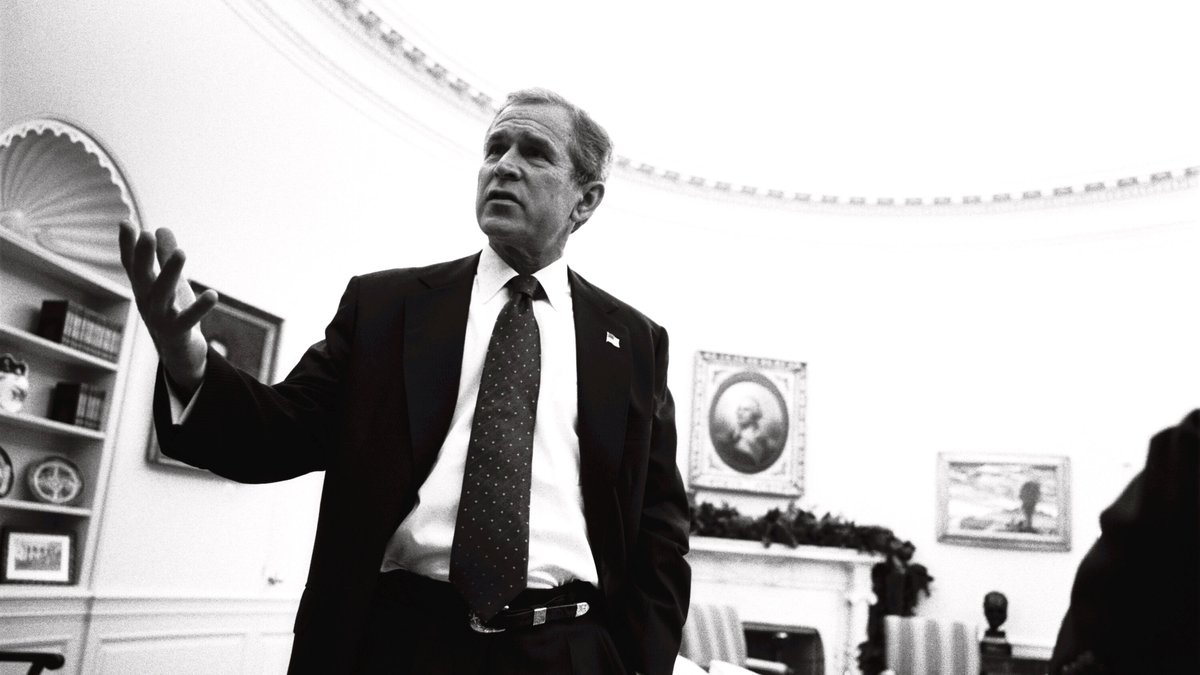
On a clear autumn morning, September 11, 2001, the United States was struck by a series of deliberate and deadly terrorist attacks that shattered the nation's sense of security and tested its very foundation. These acts targeted innocent citizens, striking at the heart of America's way of life and its fundamental freedoms. Thousands of lives were tragically lost—secretaries, businessmen and women, military and federal workers, and families—in a coordinated assault that saw hijacked airplanes weaponized against iconic buildings in New York City and Washington, D.C., leading to devastating fires and structural collapses. The perpetrators sought to induce national chaos and retreat, but their ultimate goal to undermine America's strength and resolve failed.
This national trauma, often referred to as "Bush 9/11" due to President George W. Bush's leadership during the immediate aftermath and subsequent response, forged a new era of American policy and national identity. The nation, targeted as a bright beacon for freedom and opportunity, responded with an outpouring of dedication from rescue workers and the profound compassion of strangers offering blood and assistance. The government swiftly implemented emergency response plans, ensuring military readiness and deploying rescue teams to the devastated sites. To fully grasp the sequence of these devastating events and the immediate response, you can Explore 9/11 chronology and aftermath.
President Bush's Steadfast Leadership: A Nation United in Crisis
In the harrowing moments following the attacks, President George W. Bush’s leadership was pivotal in guiding a shocked nation. His immediate priorities were clear: aid the injured, protect citizens globally from further attacks, and ensure the continuity of government functions. Federal agencies, though evacuated, quickly reopened, and financial institutions affirmed their strength, promising that the American economy would remain open for business. His calls for prayer for the grieving and all affected emphasized American unity, resolute in its pursuit of justice and peace, and unwavering in its commitment to defending freedom and justice.
The President’s message transcended mere policy; it was a rallying cry for a nation in pain, calling for resilience and a unified front against terror. His administration embarked on an extensive search for the perpetrators, directing full intelligence and law enforcement resources to find and bring them to justice. This period defined much of his presidency, and understanding his approach during this critical time provides crucial insight into the subsequent transformations in national policy. Delve deeper into the decisions and declarations that shaped the nation’s path by exploring Bushs 9/11 leadership explored Understanding Bushs.
Launching the War on Terror: A Global Strategy for Justice
The attacks ushered in a new global strategy, fundamentally reshaping American foreign policy and security doctrine. President Bush made it clear that no distinction would be made between the terrorists who committed these heinous acts and those who harbored them. This declaration laid the groundwork for a comprehensive "War on Terror." Congress unequivocally condemned the attacks, and world leaders from across the globe offered their profound condolences and pledges of assistance, uniting with America and its allies to confront this new global threat.
This doctrine redefined international relations, emphasizing preemptive action and global cooperation against non-state actors. It was a commitment to eradicating terrorist networks wherever they might operate, asserting that such threats could not be tolerated by the international community. For a thorough examination of this pivotal strategic shift and its global ramifications, you should Understand the War on Terror doctrine.
Reshaping Homeland Security: Protecting Freedom at Home
The imperative to protect citizens from further attacks led to monumental transformations within the United States' domestic security apparatus. The creation of new government agencies and the implementation of landmark legislation were direct responses to the vulnerabilities exposed on 9/11. These changes aimed to enhance intelligence gathering, border security, and emergency preparedness, fundamentally altering the relationship between the government and its citizens in the name of national safety.
Measures like the Patriot Act and the establishment of the Department of Homeland Security (DHS) significantly expanded the government's powers and responsibilities in preventing terrorism. These shifts sparked national conversations about the balance between security and civil liberties, a debate that continues to resonate today. To understand these critical domestic changes and their enduring impact, we recommend reviewing Domestic Security Transformations: Patriot Act.
A New Era in Foreign Policy: International Engagements in the Wake of 9/11
Beyond domestic changes, the "War on Terror" necessitated significant foreign policy shifts, leading to military interventions and complex international alliances. The focus quickly turned to dismantling al-Qaeda, the organization responsible for the 9/11 attacks, and confronting regimes perceived to support terrorism. This resulted in prolonged engagements in Afghanistan and, subsequently, Iraq, fundamentally altering America's role in the Middle East and its global military posture.
These international actions, undertaken with varying degrees of international support, sought to project American strength and resolve on a global stage, ensuring that those who harbored terrorists would face severe consequences. The wars in Afghanistan and Iraq became central to the Bush administration's counter-terrorism strategy, generating widespread debate and profound geopolitical ripple effects that are still felt decades later. Discover more about how America's global strategy evolved by clicking to Explore Foreign Policy Shifts.
The Enduring Legacy of American Resolve
The events of September 11, 2001, and the subsequent "Bush 9/11" era, represent a defining chapter in American history. While the pain and loss were immense, the national response showcased an unwavering spirit of unity, resilience, and resolve. From the immediate heroic actions of first responders to the sweeping policy changes enacted at home and abroad, the period demonstrated America's commitment to defending its values and pursuing justice. Understanding this complex period is not just about recounting history; it is about grasping the forces that continue to shape our world, reminding us of the enduring power of resolve in the face of adversity.